Key Takeaways
- Hypertension (High Blood Pressure) and Hyperlipidemia (High Cholesterol) are "silent killers" that damage arterial walls without early warning symptoms.
- Targeting blood pressure below 130/80 mmHg and LDL-C below 55 mg/dL in high-risk individuals reduces stroke and heart attack incidence by over 50%.
- A low-sodium DASH diet combined with prescribed statin/antihypertensive therapy offers maximum cardiovascular protection.
1. The Silent Threats to Your Heart
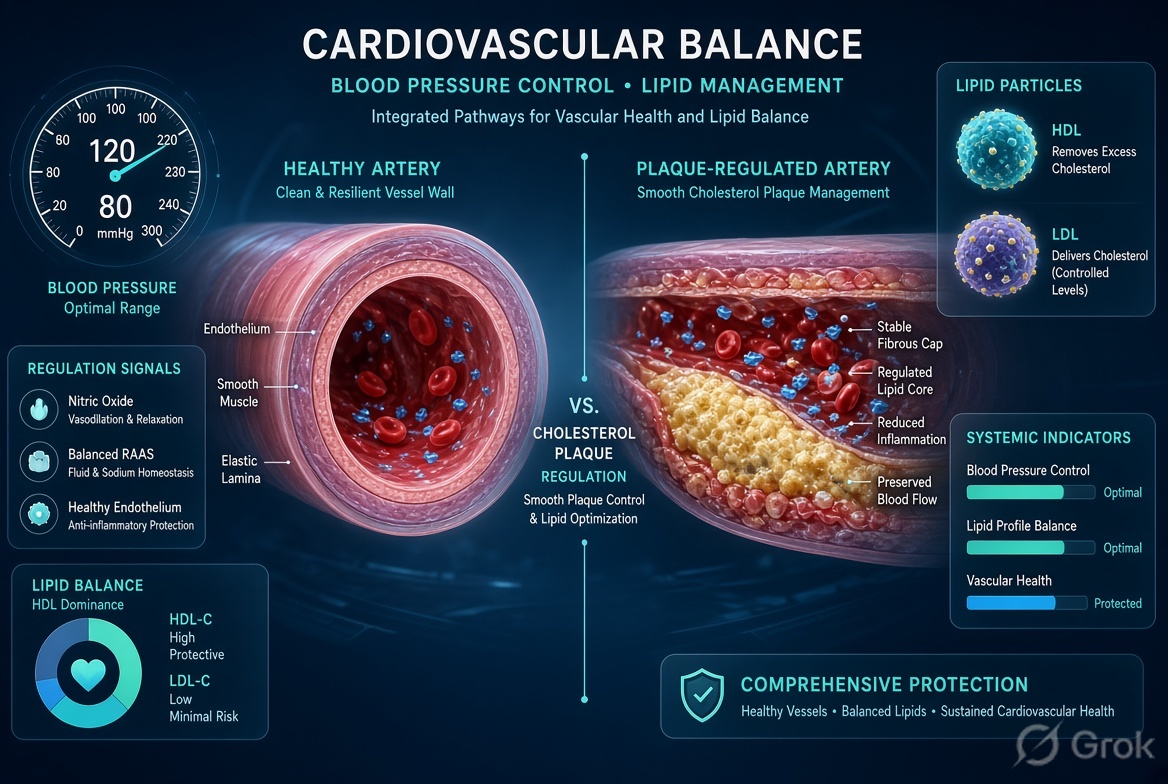
High blood pressure and elevated cholesterol levels are often termed "the silent twin killers." Most individuals carrying severe hypertension or high LDL cholesterol feel entirely asymptomatic until a major catastrophic event—such as a heart attack, stroke, or heart failure—occurs.
Chronically elevated pressure tears micro-fissures in the smooth inner lining (endothelium) of your arteries. Excess LDL cholesterol then easily penetrates these microscopic tears, creating inflammatory plaque blockages.
2. Understanding Your Blood Pressure Numbers
Blood pressure is recorded as two numbers measured in millimeters of mercury (mmHg):
- Systolic Pressure (Top Number): Pressure exerted against arterial walls when your heart contracts to pump blood.
- Diastolic Pressure (Bottom Number): Pressure inside arteries when your heart rests between beats.
Clinical Categories:
- Optimal: Less than 120 / 80 mmHg
- Elevated / Pre-Hypertension: 120-129 / <80 mmHg
- Stage 1 Hypertension: 130-139 / 80-89 mmHg
- Stage 2 Hypertension: 140 or higher / 90 or higher mmHg
3. Demystifying Cholesterol: Lipid Profiles Explained
Cholesterol is a waxy, fat-like substance transported through your bloodstream attached to proteins (lipoproteins):
- LDL (Low-Density Lipoprotein): "Bad" cholesterol. Transports cholesterol to your arterial walls, building plaque. Target for CAD patients: < 55 mg/dL.
- HDL (High-Density Lipoprotein): "Good" cholesterol. Clears excess cholesterol from blood vessels back to the liver for excretion. Target: > 40 mg/dL (men), > 50 mg/dL (women).
- Triglycerides: Blood fats linked to high refined carbohydrate and sugar consumption. Target: < 150 mg/dL.
4. Dietary Guidelines: The DASH Diet & Sodium Control
Dietary modification plays a cornerstone role in preventive cardiology:
- Sodium Restriction: Cap total daily sodium intake to less than 2,000 mg (approximately 1 level teaspoon of table salt). Avoid processed, canned, and packaged fast foods.
- Embrace the DASH Diet: Increase intake of potassium-rich fresh fruits, leafy vegetables, whole grains, nuts, and legumes while minimizing saturated fats and trans-fats.
- Healthy Cooking Oils: Opt for MUFA/PUFA-rich oils (such as mustard oil in moderation, olive oil, or rice bran oil) over hydrogenated fats or ghee.
5. Medication Adherence: Why Stopping Medicines is Risky
A common misconception among patients is stopping antihypertensive or statin medications once home blood pressure monitors read normal.
Cardiologist Advice: Your blood pressure or cholesterol levels have normalized because of the medication. Stopping prescribed therapies leads to severe "rebound hypertension" spikes, accelerated plaque deposition, and heightened risk of sudden cardiac events. Any medication dose adjustment should only occur under direct consultation with Dr. Bimal Kahar.
6. Physical Exercise & Routine Diagnostic Monitoring
- Aerobic Exercise: Engage in at least 150 minutes of moderate-intensity aerobic physical activity (such as brisk walking) per week.
- Routine Screenings: Have your lipid profile and fasting blood glucose checked at least twice a year. Perform home blood pressure logs using a validated digital arm cuff.
Frequently Asked Questions (FAQs)
Normal blood pressure for healthy adults is below 120/80 mmHg. Consistent readings above 130/80 mmHg indicate stage 1 hypertension requiring medical evaluation.
Statins do more than just lower LDL cholesterol; they stabilize existing arterial plaque, preventing it from rupturing and causing sudden heart attacks.
Yes. Chronic mental stress triggers adrenaline surges that constrict blood vessels and elevate blood pressure. Mindfulness, yoga, and regular sleep help lower cardiac stress.